- What Are Fleet Video Monitoring Solutions?
- Key Benefits of Fleet Management Video Solutions
- How to Evaluate the Best Fleet Video Solutions
- Best Fleet Video Solutions in 2026
- Best Video Telematics Solutions for Delivery Fleets
- Implementation Best Practices for Fleet Leaders
- Conclusion: Choosing the Right Fleet Video Monitoring Solution
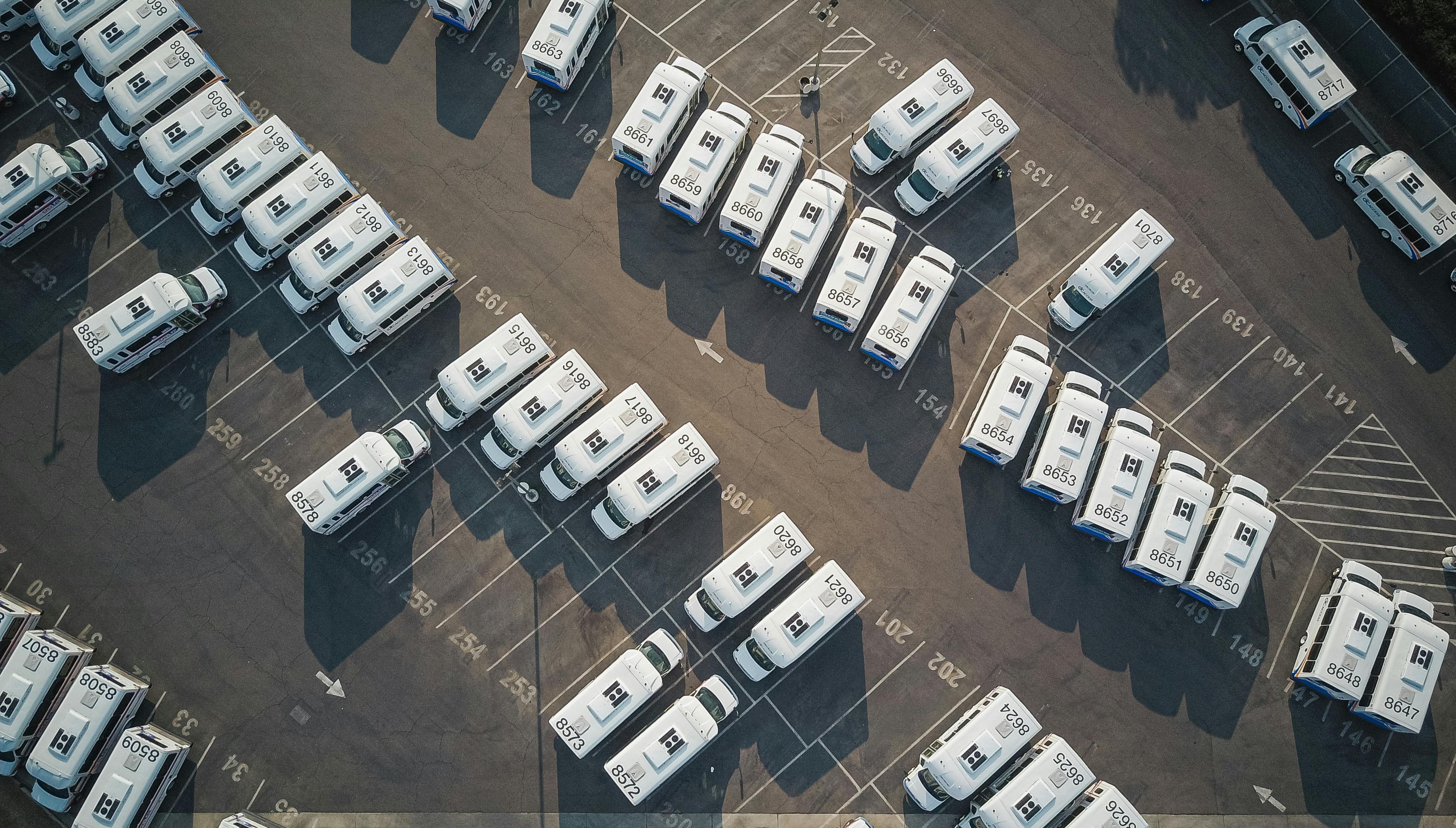
Fleet video monitoring solutions have moved from optional add-ons to core safety infrastructure. For fleet professionals, leaders, and management teams, video is no longer just about recording incidents. It is about reducing liability, improving driver behavior, and protecting margins in a high-risk environment.
Rising insurance premiums, nuclear verdicts, and increasing regulatory scrutiny are forcing organizations to rethink risk management. At the same time, delivery volumes are growing and driver turnover remains high. The best fleet video solutions now combine AI, telematics data, and operational analytics into a single safety ecosystem.
This guide breaks down how fleet management video solutions work, how to evaluate vendors, and which platforms stand out in 2026.
What Are Fleet Video Monitoring Solutions?
Fleet video monitoring solutions combine in-vehicle cameras with AI-powered analytics and cloud dashboards. They capture driving events, analyze behavior, and provide safety insights to fleet managers.
Unlike basic dash cams, modern fleet management video solutions integrate with GPS tracking, ELD systems, and maintenance platforms. This creates a unified view of driver behavior, vehicle performance, and compliance.
The best video telematics solutions for delivery fleets do more than record. They detect distracted driving, harsh braking, tailgating, and potential collisions in real time. Alerts are sent instantly to managers or safety teams for review and coaching.
Core Components of Modern Video Telematics
Most platforms include:
- Forward-facing and driver-facing cameras
- AI-based event detection
- Cloud-based clip storage and retrieval
- Driver scorecards and safety reporting
- Integration with telematics and fleet management systems
Higher-end systems may also include side and rear cameras, 360-degree visibility, and advanced driver monitoring.
Why Fleet Leaders Are Investing in Video
Fleet leaders are adopting fleet video monitoring solutions for three main reasons.
- Liability protection: Video evidence dramatically speeds up claims resolution and reduces fraudulent claims.
- Behavior improvement: AI-based coaching tools help reduce risky driving patterns before they lead to accidents.
- Operational visibility: Integrated fleet management video solutions provide insights into route adherence, compliance, and performance trends.
For leadership teams, the ROI often comes from fewer accidents, reduced insurance costs, and lower litigation exposure.
Key Benefits of Fleet Management Video Solutions
Reduced Liability and Faster Claims Resolution
Video evidence can exonerate drivers in disputed accidents. Fleets often resolve claims faster when clear footage is available. This reduces downtime, legal costs, and settlement risk.
Driver Coaching and Behavior Improvement
AI systems flag unsafe behaviors automatically. Safety managers can review short clips instead of hours of footage. Structured coaching programs then address patterns such as distraction or aggressive driving.
Over time, this builds accountability and measurable improvement.
Operational Visibility and Compliance
Many fleet video monitoring solutions integrate with ELD and GPS data. This supports compliance audits and helps identify operational inefficiencies.
For regulated fleets, documentation and defensible records are critical.
Safety Culture and Risk Reduction
Video telematics can shift a reactive safety program into a proactive one. Instead of responding after accidents occur, fleets intervene earlier. This builds a culture of safety and continuous improvement.
How to Evaluate the Best Fleet Video Solutions
Choosing the right platform requires more than comparing camera specs. Fleet professionals should assess five core areas.
Camera Capabilities and Hardware Reliability
Evaluate whether the system offers dual-facing cameras, night vision, and multi-angle coverage. Consider durability and ease of installation. Delivery fleets may require compact hardware for smaller vehicles.
AI and Event Detection Accuracy
Not all AI is equal. Look for accurate distracted driving detection and low false positive rates. Frequent false alerts can frustrate drivers and managers.
Integration with Existing Fleet Systems
The strongest fleet management video solutions integrate seamlessly with telematics, maintenance, and compliance platforms. Disconnected systems create data silos and administrative burden.
Data Storage, Privacy, and Compliance
Understand retention policies and data security standards. Ensure policies align with state and federal regulations. Clear communication with drivers about privacy is essential.
Scalability for Delivery and Mixed Fleets
National delivery fleets require scalable cloud infrastructure and rapid deployment models. Smaller regional fleets may prioritize simplicity and cost control.
Best Fleet Video Solutions in 2026
Below are several of the best fleet video solutions widely adopted across industries.
Samsara
Samsara offers a unified telematics and fleet video monitoring solution. It combines AI dash cams, GPS tracking, maintenance insights, and analytics within a single platform.
Key features include real-time alerts, dual-facing cameras, safety scorecards, and deep integration across its broader fleet ecosystem.
This is best for large or growing fleets that want an integrated operations platform. One downside is pricing, which can be higher than camera-only providers. Implementation may also require cross-department coordination.
Motive
Motive positions itself strongly in compliance and trucking environments. Its AI dash cams integrate closely with ELD and safety tools.
Key features include distracted driving detection, automatic event capture, and compliance reporting.
This is best for regulated trucking fleets that prioritize safety and compliance alignment. One downside is that delivery-focused organizations may find its operational analytics less robust than broader fleet platforms.
Lytx
Lytx is a long-established provider focused on safety and risk mitigation. It emphasizes advanced event detection and structured coaching programs.
Key features include predictive risk analytics, video review workflows, and safety benchmarking.
This is best for fleets building mature safety programs with dedicated coaching resources. One downside is that unlocking full value often requires disciplined internal processes.
Netradyne
Netradyne differentiates itself with AI-first video telematics and driver scoring technology. Its system uses multiple lenses to analyze driving behavior in detail.
Key features include positive driver scoring, real-time alerts, and comprehensive safety analytics.
This is best for fleets focused on reinforcing positive behavior and building a recognition-driven safety culture. One downside is that it may not offer the same breadth of fleet management features as larger telematics providers.
Verizon Connect
Verizon Connect integrates video telematics into its established GPS fleet management ecosystem.
Key features include video capture, route tracking, and fleet performance dashboards.
This is best for fleets already using Verizon Connect for telematics who want a unified solution. One downside is that its AI capabilities may be less advanced than AI-first competitors.
Best Video Telematics Solutions for Delivery Fleets
Delivery fleets face unique challenges. High stop frequency, dense urban environments, and tight delivery windows increase risk exposure.
Considerations for Last-Mile and Urban Delivery
Frequent vehicle entry and exit increases accident probability. Congested streets raise collision risk. Rapid onboarding of seasonal drivers creates training gaps.
Fleet video monitoring solutions must support quick deployment and simple clip retrieval.
Features That Matter Most for Delivery Fleets
Delivery-focused fleets should prioritize:
- Real-time in-cab alerts
- Fast clip access for claims
- Multi-camera coverage
- Scalable cloud infrastructure
- Easy driver onboarding
The best video telematics solutions for delivery fleets combine safety, speed, and simplicity.
Implementation Best Practices for Fleet Leaders
Gaining Driver Buy-In
Transparent communication is critical. Explain that fleet video monitoring solutions are designed to protect drivers, not punish them. Share examples where video exonerated drivers. For this, it’s better to involve drivers early and clarify privacy policies.
Phased Deployment Strategy
Start with a pilot group. Track KPIs such as accident frequency, harsh driving events, and claims resolution time. Use data to refine rollout plans.
Measuring ROI and Safety Impact
Monitor reductions in preventable accidents, claims costs, and unsafe driving behaviors. Review insurance premiums over time. Safety improvements should translate into financial impact.
Conclusion: Choosing the Right Fleet Video Monitoring Solution
Fleet video monitoring solutions are now foundational to modern fleet risk management. The best fleet video solutions align with your operational complexity, compliance requirements, and safety maturity.
For fleet professionals and leadership teams, the goal is not simply installing cameras. It is building a data-driven safety program that protects drivers, reduces liability, and strengthens operational performance.
When selected and implemented strategically, fleet management video solutions become a long-term competitive advantage rather than a standalone technology purchase.