- What Is Fleet Telematic?
- Core Components of a Fleet Telematics System
- How Fleet Telematics Solutions Work in Practice
- The Business Value of Telematics Fleet Management
- Common Challenges in Fleet Telematics Adoption
- How to Evaluate Fleet Telematics Solutions
- Leading Fleet Telematics Solutions Compared Below is a high-level comparison of several widely used telematics fleet management platforms. The focus is on positioning and practical fit. Geotab Geotab is known for its data depth and open platform architecture. It offers extensive reporting customization and integration capabilities. Key features include: Advanced data analytics and benchmarking Marketplace integrations with third-party tools Custom rule creation and flexible reporting Strong compliance support This is best for organizations managing large or complex fleets that require deep data analysis and customization. One downside is that the breadth of features can feel complex for smaller teams without dedicated fleet analysts.
- Below is a high-level comparison of several widely used telematics fleet management platforms. The focus is on positioning and practical fit.
- Implementing a Telematics Fleet Management System Successfully
- Using Fleet Telematic as a Strategic Advantage
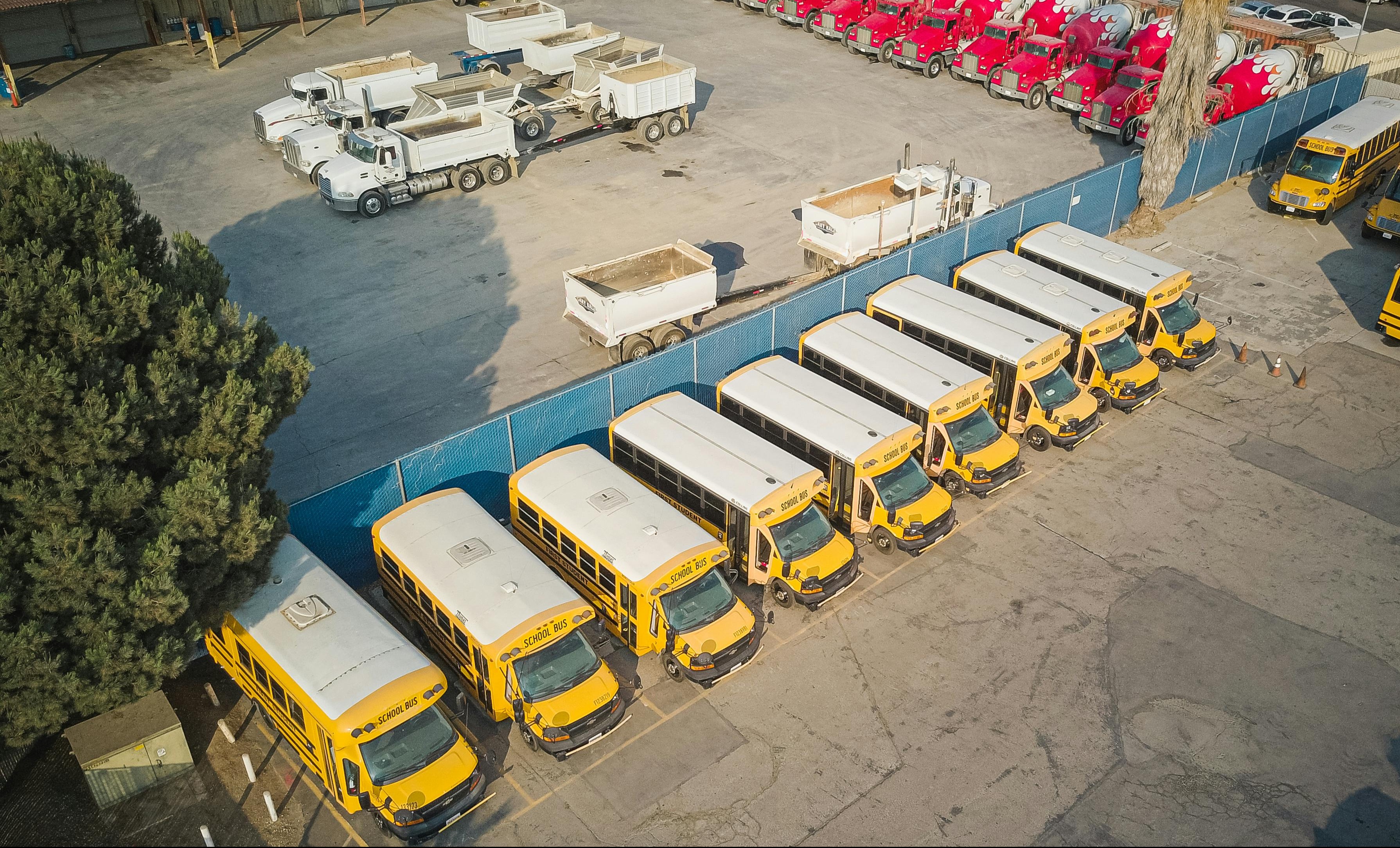
Fleet telematic has become a core component of modern fleet operations. For fleet professionals, managers, and leaders, it is no longer just about vehicle tracking. It is about visibility, control, and performance improvement across the entire operation.
Rising fuel costs, stricter compliance requirements, and driver safety expectations are forcing fleets to operate with tighter margins and higher accountability. A well-implemented telematics fleet management strategy gives leaders the data they need to reduce risk, control costs, and improve asset utilization.
This guide explains what fleet telematic is, how telematics fleet management systems work, and how to evaluate the right fleet telematics solutions for your organization.
What Is Fleet Telematic?
Fleet telematic refers to the use of GPS tracking, onboard diagnostics, sensors, and cloud-based software to monitor and manage fleet vehicles in real time.
A telematics fleet management system collects vehicle data such as location, speed, fuel usage, engine diagnostics, and driver behavior. That data is transmitted to a centralized platform where managers can monitor performance, generate reports, and make informed decisions.
Unlike basic GPS tracking, fleet telematics solutions combine multiple data sources to create operational intelligence. The result is a system that supports safety, compliance, cost management, and strategic planning.
Core Components of a Fleet Telematics System
Most telematics fleet management systems include four key components:
- In-vehicle hardware that captures GPS and engine data
- Connectivity infrastructure that transmits data to the cloud
- A software platform or dashboard that visualizes and analyzes information - Reporting and alert tools that surface insights and trigger notifications
Together, these elements form a complete telematics fleet management system that connects vehicles, drivers, and back-office operations.
How Fleet Telematics Solutions Work in Practice
In day-to-day operations, fleet telematic systems continuously collect data from vehicles. Managers can view live maps, monitor route progress, receive alerts for speeding or idling, and track maintenance needs.
For example, if a vehicle exceeds a set speed threshold, the system can notify both the driver and the fleet manager. If engine fault codes appear, maintenance teams can schedule repairs before breakdowns occur.
This real-time feedback loop turns raw data into actionable insight.
The Business Value of Telematics Fleet Management
Organizations invest in telematics fleet management because the financial and operational impact can be significant.
Cost Control and Fuel Efficiency
Fuel often represents one of the largest operating expenses for fleets. Fleet telematics solutions help reduce fuel spend by:
- Monitoring and reducing idle time
- Optimizing routes to limit unnecessary mileage
- Identifying aggressive driving behaviors that increase fuel consumption
Maintenance costs also decrease when engine diagnostics are tracked proactively. Preventive maintenance reduces unplanned downtime and extends vehicle life.
Driver Safety and Compliance
Driver safety is both a financial and reputational concern. A telematics fleet management system can monitor speeding, harsh braking, rapid acceleration, and seatbelt usage.
Many platforms generate driver safety scores. Managers can use these scores to coach drivers and reduce accident risk. In regulated industries, telematics tools also support electronic logging requirements and compliance documentation.
Safer drivers lead to fewer claims, lower insurance premiums, and improved public perception.
Asset Utilization and Operational Visibility
Fleet telematic data allows leaders to see how vehicles are actually used. Underutilized assets can be redeployed or removed from the fleet. Overused vehicles can be rotated to balance wear and tear.
Managers also gain visibility into route efficiency, delivery windows, and on-time performance. This supports better customer service and more accurate forecasting.
Common Challenges in Fleet Telematics Adoption
Despite clear benefits, implementing a telematics fleet management system is not always simple.
Data Overload and Insight Gaps
One of the most common challenges is data overload. Fleet telematics solutions generate large volumes of information. Without clear priorities and reporting structures, managers may struggle to extract meaningful insights.
The key is to define metrics that align with business goals before implementation.
Driver Adoption and Trust
Drivers may view fleet telematic systems as surveillance tools. If not handled carefully, this can reduce morale and trust.
Transparent communication is critical. Leaders should explain that telematics supports safety, fairness, and operational improvement. Involving drivers in pilot programs often improves acceptance.
Integration With Existing Fleet Systems
Many fleets already use maintenance software, payroll tools, or ERP systems. A telematics fleet management system must integrate smoothly with these platforms to avoid duplicate data entry and fragmented reporting.
APIs and prebuilt integrations are important evaluation criteria during vendor selection.
How to Evaluate Fleet Telematics Solutions
Selecting the right fleet telematics solution requires a structured approach. Not all platforms are designed for the same scale or complexity.
Key Features to Look For
At a minimum, a telematics fleet management system should include:
- Real-time GPS tracking
- Customizable dashboards and reporting
- Driver behavior monitoring
- Maintenance tracking and alerts
- Mobile access for managers and drivers
Advanced features may include AI-based risk scoring, video telematics, and predictive maintenance analytics.
Scalability and Long-Term Fit
Fleet size, geographic coverage, and growth plans should guide your choice. A small regional fleet may prioritize ease of use and affordability. A national or global fleet may require advanced analytics and multi-country compliance support.
The platform should scale as your fleet expands.
Support, Implementation, and ROI
Implementation support is often underestimated. Strong onboarding, training resources, and responsive customer service accelerate time to value.
Leaders should also define ROI metrics in advance. These may include reductions in fuel spend, accident rates, maintenance costs, or vehicle downtime.
Advanced features may include AI-based risk scoring, video telematics, and predictive maintenance analytics.
Leading Fleet Telematics Solutions Compared
Below is a high-level comparison of several widely used telematics fleet management platforms. The focus is on positioning and practical fit.
Geotab
Geotab is known for its data depth and open platform architecture. It offers extensive reporting customization and integration capabilities.
Key features include:
- Advanced data analytics and benchmarking
- Marketplace integrations with third-party tools
- Custom rule creation and flexible reporting
- Strong compliance support
This is best for organizations managing large or complex fleets that require deep data analysis and customization. One downside is that the breadth of features can feel complex for smaller teams without dedicated fleet analysts.
Samsara
Samsara positions itself as a connected operations platform. It combines fleet telematics with safety cameras, asset tracking, and workflow tools.
Key features include:
- Real-time GPS tracking with intuitive dashboards
- Integrated video telematics for safety monitoring
- Driver coaching tools
- Mobile-friendly interface
This is best for fleets that want a modern, easy-to-adopt fleet telematics solution with strong safety and compliance capabilities. One downside is that pricing may be higher for smaller fleets with limited feature requirements.
Verizon Connect
Verizon Connect is an established telematics fleet management provider with broad functionality and enterprise credibility.
Key features include:
- Comprehensive GPS tracking and route optimization
- Driver behavior monitoring
- Maintenance scheduling tools
- Reporting and analytics dashboards
This is best for mid-sized to large fleets seeking an all-in-one fleet telematic platform from a well-known vendor. One downside is that reporting flexibility may be less customizable compared to newer, analytics-focused platforms.
Implementing a Telematics Fleet Management System Successfully
Technology alone does not guarantee results. Execution determines success.
Start With Clear Goals and Metrics
Before rollout, define what success looks like. Is the goal to reduce fuel costs by 10 percent? Lower accident rates? Improve on-time delivery? Clear targets ensure that telematics data drives measurable outcomes.
Engage Drivers and Frontline Managers Early
Drivers and dispatch managers should be involved early in the process. Provide training and explain how telematics fleet management benefits both safety and operational efficiency. Recognition programs tied to safety scores can also improve engagement.
Review and Optimize Over Time
Fleet telematic systems should evolve with the business. Regularly review reports, adjust thresholds, and refine coaching strategies. Continuous optimization ensures long-term value rather than short-term gains.
Using Fleet Telematic as a Strategic Advantage
Fleet telematic is no longer optional for competitive operations. A modern telematics fleet management approach enables cost control, safer driving, better compliance, and stronger asset utilization.
For fleet professionals and leaders, the real value lies in turning data into action. When implemented thoughtfully, fleet telematics solutions become more than tracking tools. They become strategic systems that support operational excellence and long-term growth.